Tokyo Wire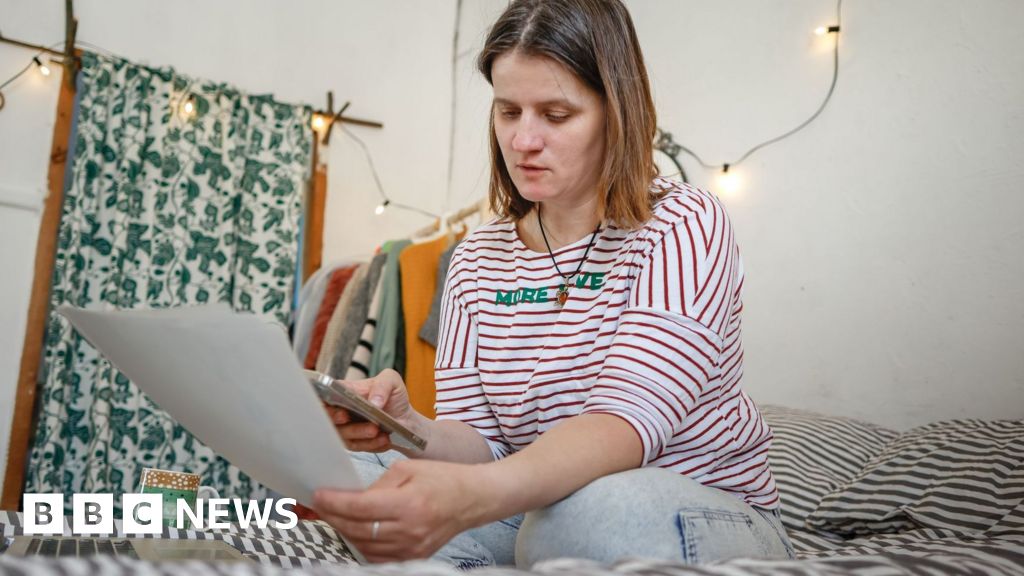
2 hours ago Kevin Peachey Cost of living correspondent
You may be among the one million people, mostly women, who will receive letters explaining how you are eligible for top-up pension payments—and it’s not a scam. Those entitled are low earners who missed out due to pension administration differences.
HM Revenue and Customs (HMRC) will write to eligible individuals over the next few months, detailing how to receive the payment. Typically, these top-ups are £70, though amounts vary based on individual circumstances.
The letter explains that when you contribute to a pension, some tax relief is applied instead of tax. For some low earners using a Net Pay Arrangement pension scheme, less tax relief was provided compared to those on a Relief at Source scheme. The government is now compensating these individuals through low earner’s pension payments, initially for the 2024-25 tax year, with automated payments planned for future years.
Typically, eligible individuals earned close to, but not exceeding, £12,570 annually (the threshold for income tax).
How to verify the letter is genuine:
- HMRC will contact eligible individuals automatically via letter or through their online personal tax account. - They will never text, email, or call you about this. - Never transfer money, share PIN codes, or passwords.
To check authenticity: - Ensure HMRC has your latest address. - Visit Gov.uk for guidance on verifying the letter (search for ‘check if a letter you’ve received from HMRC is genuine’ and look for ‘Low Earner’s Pension Payment’). - HMRC provides scam-spotting advice.
Eligible individuals will provide bank details through their personal tax account. Those digitally excluded can call HMRC to accept payments.
Sir Steve Webb, a former pensions minister and partner at LCP, noted that only a fraction of eligible individuals are expected to receive payments, citing potential non-take-up risks. HMRC emphasizes effective communication to ensure people receive their rightful payments.
HMRC will run awareness campaigns via social media and other channels to inform eligible individuals about the process.
Source: BBC