Tokyo Wire
A fter the Budget, who noticed the silence of a whole pack of non-barking dogs? What did not happen is much more interesting than what did. Similarly, what commentators get wrong is often more interesting than what they get right.
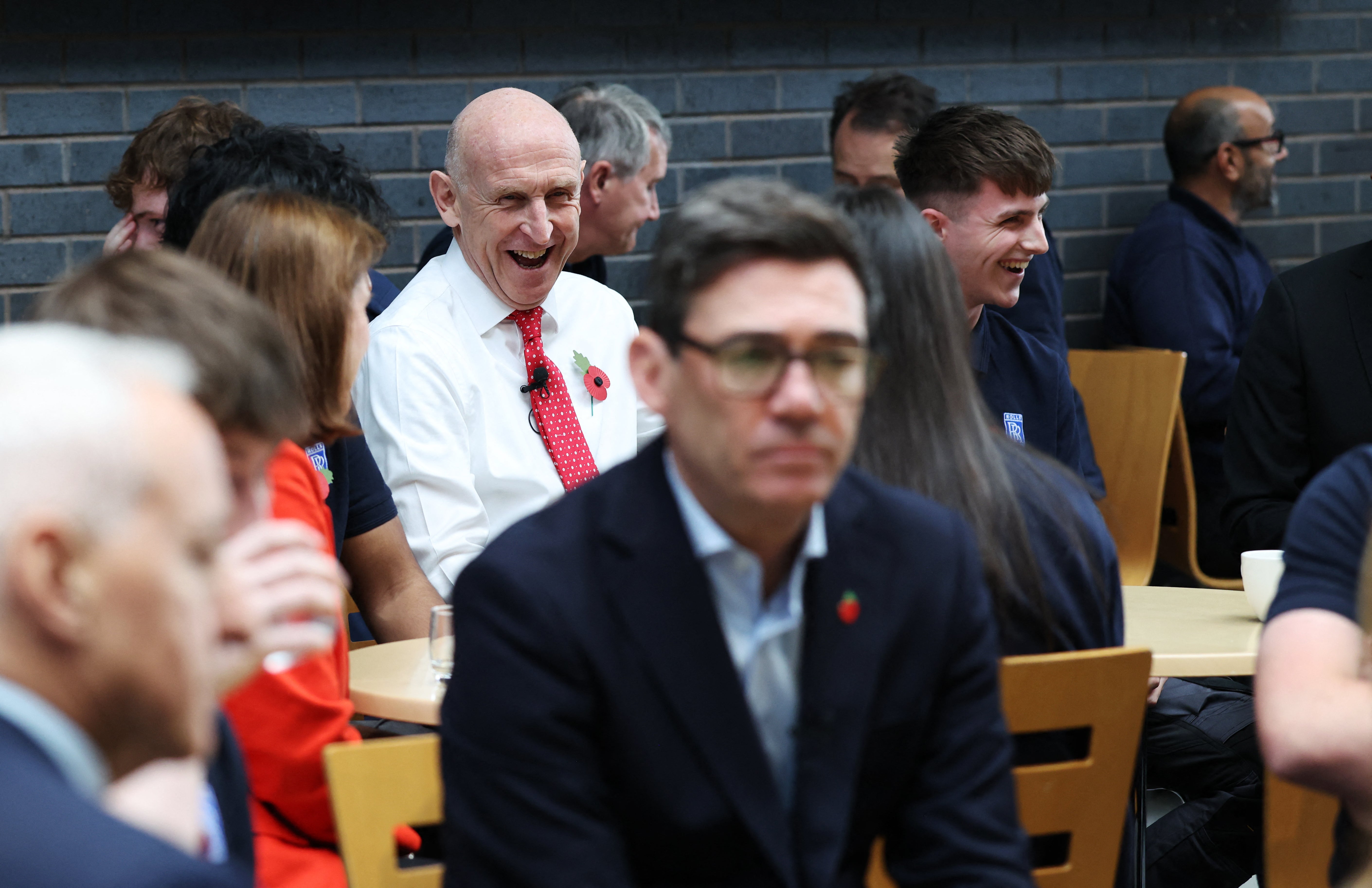
Before the Budget, the consensus was that Andy Burnham had got about as far as he could on affability, vibes and small measures. This week he was going to come to the point where hard choices could not be avoided. Interest rates had gone up; his headroom had been halved; taxes would have to go up and the honeymoon would be over.
I made a note in the summer of what one well-placed source said Burnham had to worry about: “The Budget, the Budget and the Budget.” There were other things on the list, “social care, boats, prisons”, but the main thing was “the money”. Everyone – including me – agreed that the sums did not add up and that, after 100 days in office, Burnham and Healey were going to have to start to disappoint people. When it came to it, there was plenty of disappointment to go around in the commentating classes.
“Is that it?” asked Kemi Badenoch. Not very bold, sniffed the pundits. An opportunity missed.
What about the end of 40 years of neoliberalism, demanded the intellectual end of the market. But the voting public took a different view. According to YouGov, the British people thought it was the fairest Budget since Rishi Sunak’s furlough measures during the pandemic.
Two other polls carried out after the Budget found that Labour support had risen. Apparently one of the most popular search terms on the internet in the past few days is simply “payment” – as people try to find out if they are entitled to the £100 help with energy bills for households in council tax bands A to D. It turns out that we like handouts.
There were tax rises in the Budget, but they were expertly Colbertian – a high ratio of goose feathers to hissing. There were higher taxes on banks, landlords, gambling machines and savings. The cleverest line in Healey’s speech was: “Just as the British people helped to support our banks 20 years ago, it is our banks that will help to give families breathing space today.” It was rubbish, of course, because two of the biggest banks, Barclays and HSBC, were not bailed out by the taxpayer in the financial crash, but it sounded good.
And the biggest tax rise was the stealthy ratchet of wage inflation, dragging more people into paying income tax and into the higher-rate bands. This had been announced in previous Budgets, so doesn’t count as a “new” tax rise. As a result, just as the speeding car of the Burnham premiership was about to hit the brick wall of the Budget, the wall disappeared like a mirage.
All the really impossible choices, on defence spending and welfare, have been put off for another day, thus proving the wisdom of the old adage, “doing nothing is always an option”. This is especially true if doing nothing can be dressed up as a bustle of activity on the small things and some big, bold promises about what will happen in the near future. Other dogs that have not barked, incidentally, are special advisers.
There have been no self-aggrandising accounts of how important James Purnell, the prime minister’s chief of staff, is to the success of the Burnham enterprise. Burnham himself paid tribute to his old friend in his big Sunday Times interview last weekend: “I’m so grateful to him for coming back to support me.” The prime minister recalled their footballing days: “He was centre back. He’s still doing defence for me now, keeping the barricades tight.” Purnell has barely featured in the reporting of politics.
In the old days, before it was a social media app, a “tick-tock” was journalists’ slang for a long, minute-by-minute account of who said what to whom in Downing Street during the previous week’s crisis. We have had hardly any of those, and none of those features about the powers behind the prime minister’s throne. It is almost as if this is a government that works.
I am not saying that it has a grand strategy. Most of government, according to those who have worked at the centre of it, is crisis-management and pitfall-avoidance, an attempt to give an impression that ministers know what they are doing as they try to ride the chaos of events. But so far, Burnham has succeeded in giving that impression, and the Budget has not been the reckoning with reality that was expected.
By the standards of Labour’s first two Budgets, therefore, let alone those of longer ago such as George Osborne’s omnishambles Budget of 2012, this one has been a triumphant success.
Source: The Independent